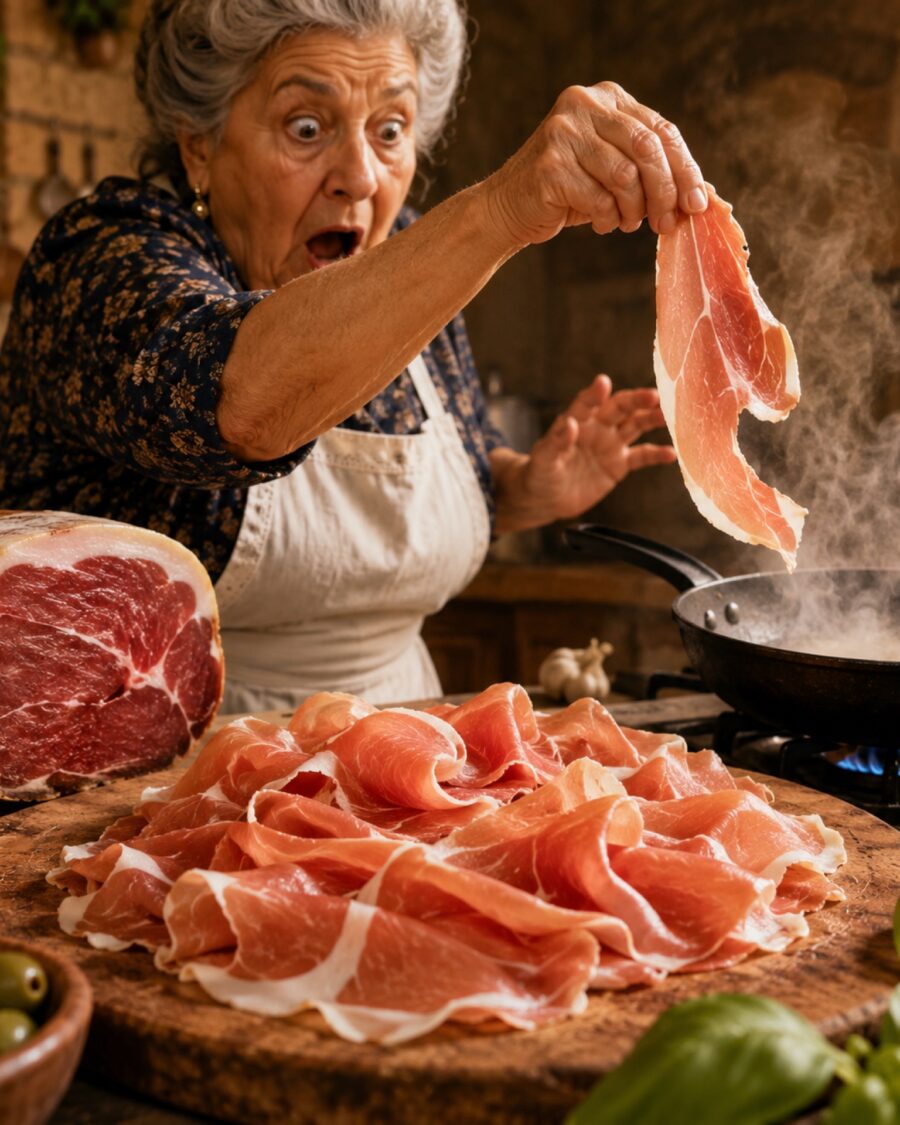
“Al dente” does not mean hard. It means correct.
Al dente translates as "to the tooth." It describes pasta that offers a brief, pleasant resistance before yielding — not pasta that tastes raw in the centre. The myth that al dente means hard has produced a generation of undercooked pasta served with confidence.
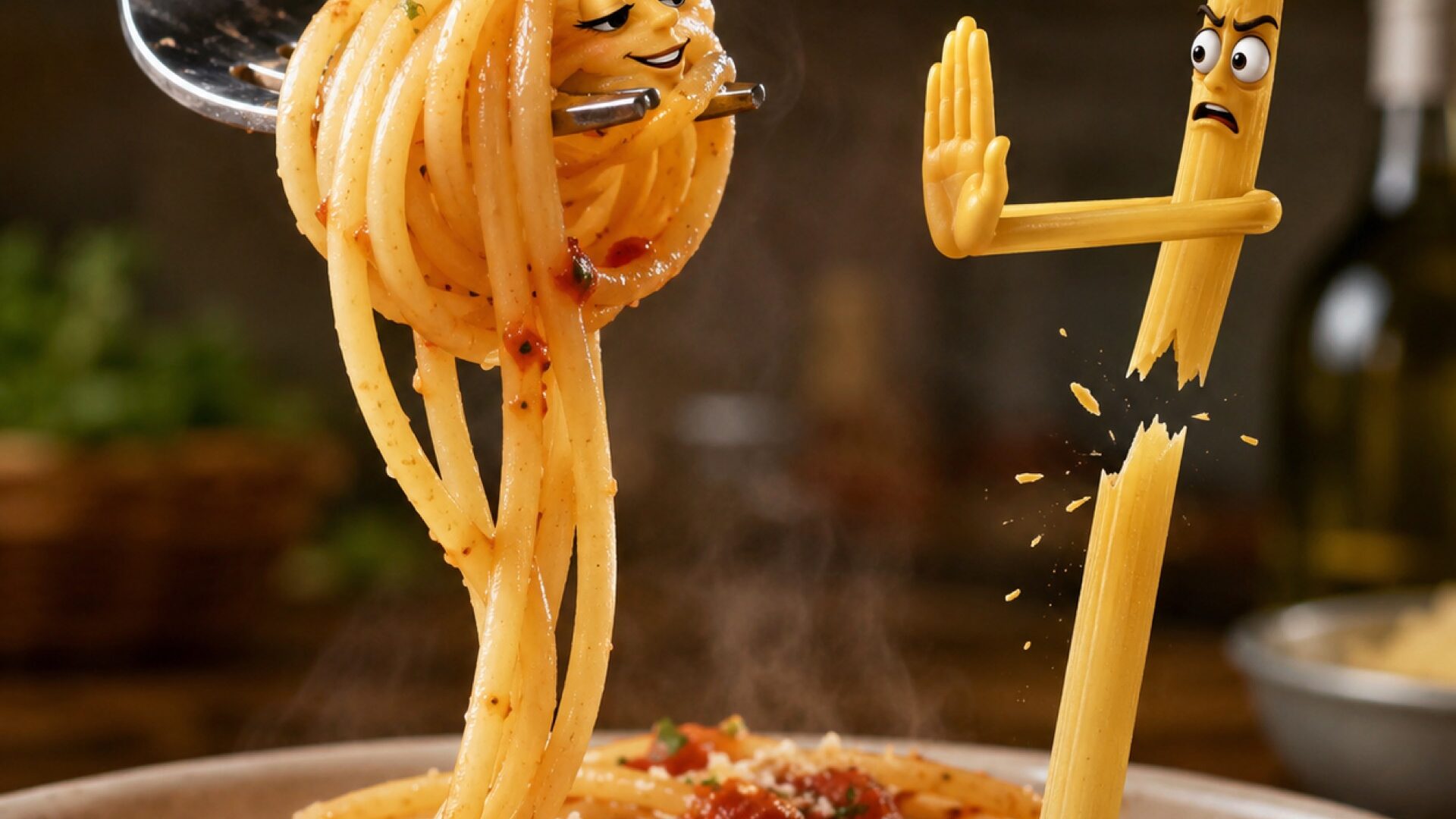
Al dente means “to the tooth.” It describes the sensation of biting through pasta that has been cooked correctly — a brief, clean resistance, followed by a yielding centre with no raw taste and no starchy core. It does not mean hard. It does not mean undercooked. It does not mean the pasta should taste of flour. The global spread of the term has produced an epidemic of pasta that is served with confidence and eaten with concealed disappointment.
The confusion arose, in part, from the correct observation that pasta in Italy is cooked for less time than pasta outside Italy. This is true. Italian pasta is cooked for less time because Italian pasta standards are higher — the pasta is better, the water is more generously salted, and the mantecatura in the sauce finishes the cooking. The pasta arrives at the table at the correct temperature, at the correct consistency, having completed its cooking journey in the sauce.
The starchy core problem
Pasta that is genuinely undercooked has a white, chalky core visible when you cut through it. This core tastes of raw starch, does not digest well, and produces the bloated feeling that people mistakenly attribute to pasta in general. Al dente pasta has no white core. It is cooked through. It simply has not been cooked to the point of softness that overcooked pasta exhibits.
“I have watched tourists leave pasta on the plate in Rome because it was ‘undercooked.’ It was perfectly cooked. They had eaten bad pasta for so long they had forgotten what correct pasta tasted like.”— HEINZ BECK, LA PERGOLA, ROME
How to tell when pasta is al dente
The most reliable method is to start tasting the pasta two minutes before the time indicated on the packet — and to continue tasting every 30 seconds until the white core disappears and the texture is what you want. No timer is more reliable than your own teeth. The packet time is a guideline for a specific pasta in a specific quantity of water at a specific altitude. Your kitchen is different.