Reserve a full cup of pasta water.
PASTA · NAPLES
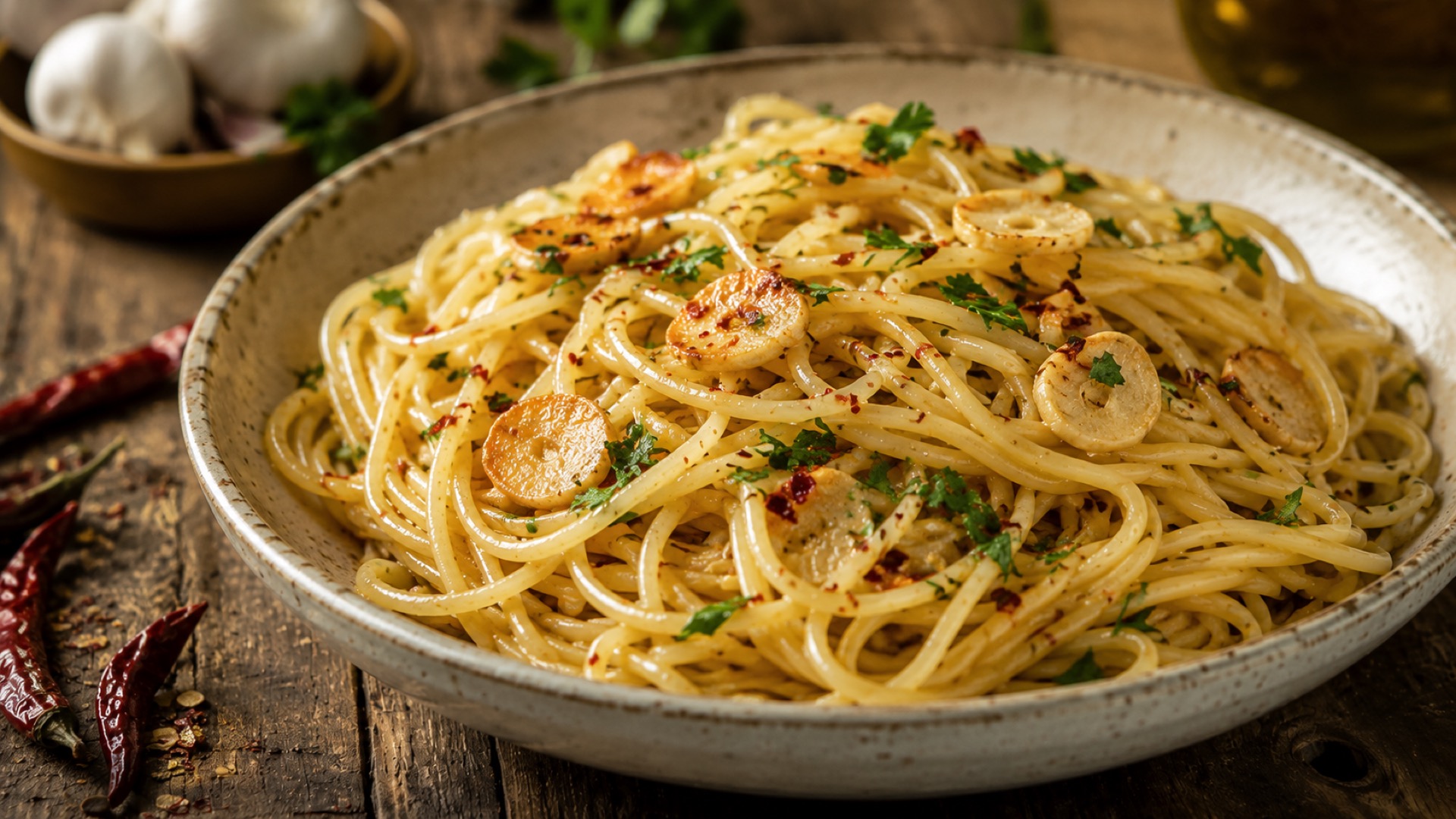
Aglio, olio e peperoncino: the midnight pasta.
Spaghetti, garlic, olive oil, chilli, parsley. Five ingredients, 15 minutes, made at midnight in every Italian kitchen. The emulsion is what separates pasta aglio e olio from pasta with garlic poured on it.
METHOD
5 steps, and one will define the dish.
Garlic and chilli in oil over the lowest heat. 8 minutes — pale gold. Do not rush.
Add a ladleful of pasta water to the garlic oil. It will spit — correct.
Toss vigorously over medium heat, adding pasta water by the spoon until creamy.
Off the heat. Serve immediately.
WHY IT WORKS — THE SCIENCE
The pasta water is the sauce.
Pasta aglio, olio e peperoncino is what you make at midnight when you have nothing in the house. It is also, done correctly, one of the most technically interesting pasta dishes that exists. The transformation of garlic oil and pasta water into a coherent emulsion that coats spaghetti in a creamy, light sauce is a small piece of culinary physics that happens in under two minutes and requires more attention than it appears.
The dish belongs to Rome and Naples equally — both cities claim it as their own midnight tradition. The Roman version tends toward more garlic. The Neapolitan toward more chilli. Neither version has parmesan, regardless of what menus outside Italy suggest.
The garlic temperature
The garlic cooks in oil over the lowest possible heat for eight minutes. This is not a guideline. Eight minutes at low heat produces garlic that is golden, sweet, and nutty. Four minutes at medium heat produces garlic that is harsh and raw-tasting despite looking the same colour. The temperature matters more than the colour.
“Aglio e olio is not a poor man’s pasta. It is a precise man’s pasta. The poorness is in the ingredients. The precision is in the execution.”— NINO DI COSTANZO, DANÌ MAISON, ISCHIA
The emulsification step
This is where most versions fail. The pasta goes into the garlic oil off the heat, with pasta water added by the ladleful while tossing. The starch in the pasta water bonds with the oil to form an emulsion — a pale, creamy liquid that coats the spaghetti evenly. If you add too little pasta water, the pasta is oily. Too much and it is watery. The correct amount produces something that looks almost like a very light cream sauce. This takes practice to feel.
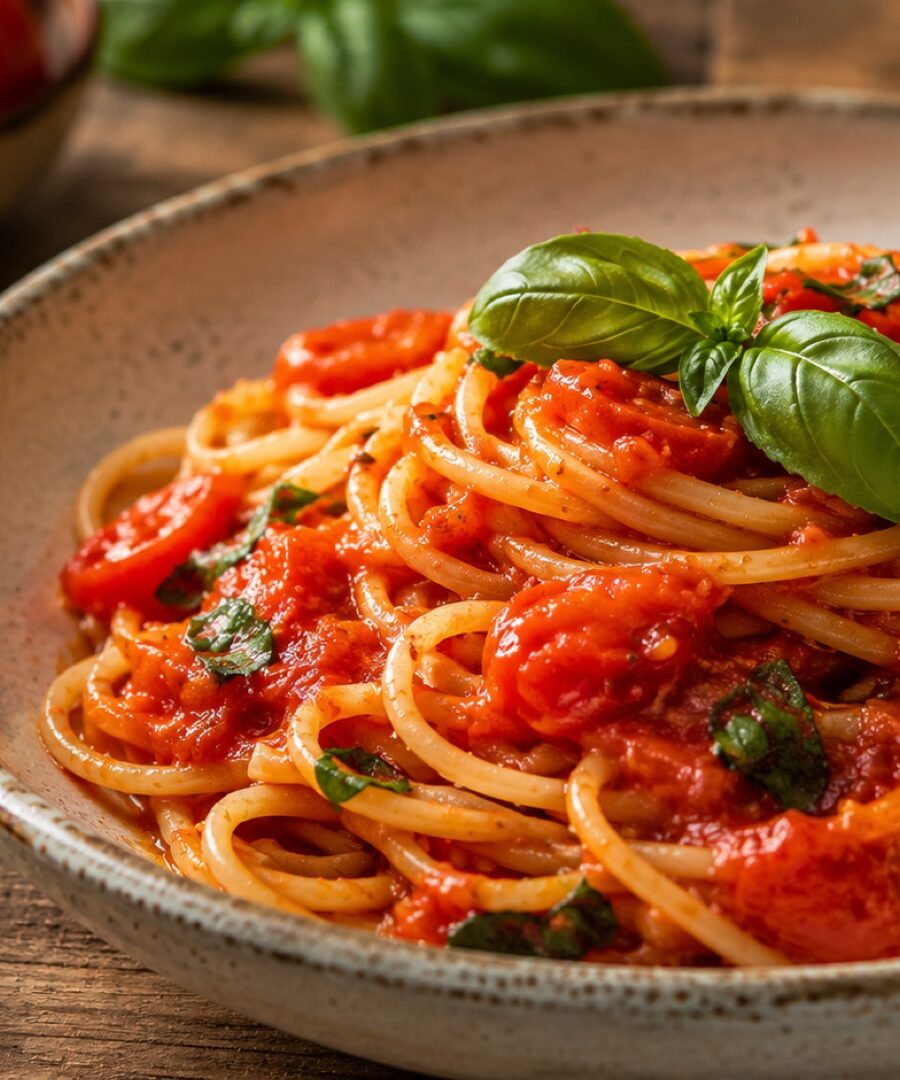
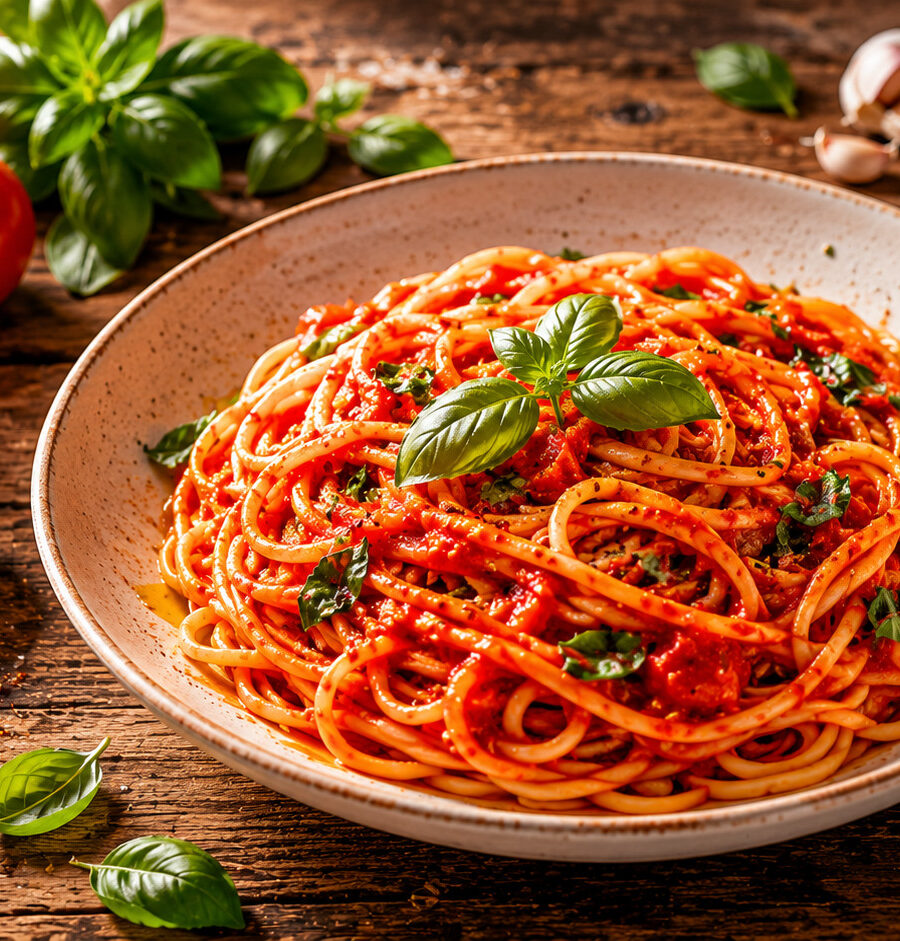
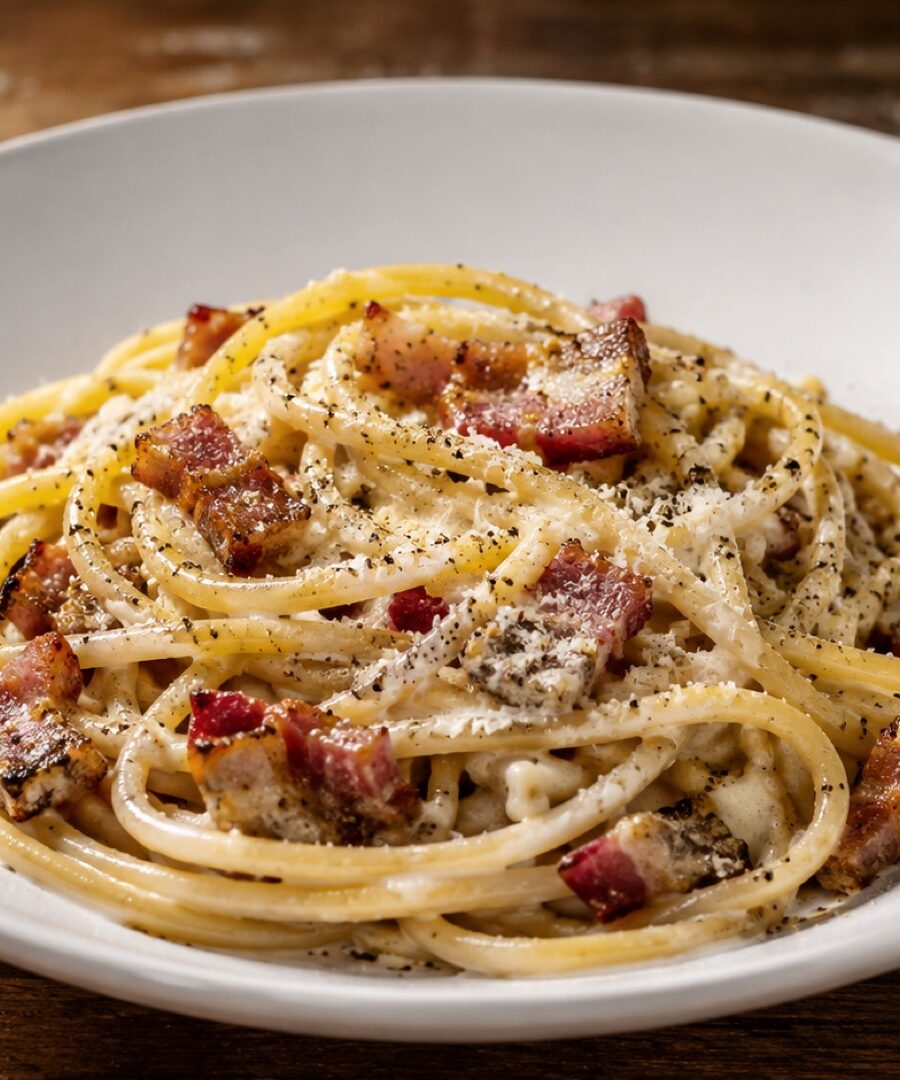
This emulsion is the same physics behind cacio e pepe — swap the oil for cheese and the difficulty doubles. Want tomato with your chilli? That’s arrabbiata.
SUBSTITUTIONS — IF YOU MUST
- DRIED CHILLI
- Half a teaspoon of red pepper flakes per chilli, into the oil with the garlic. Fresh chilli works too — brighter, less smoky-sweet.
- EXTRA VIRGIN OLIVE OIL
- This dish IS the oil — use one you'd eat on bread. 'Light' olive oil or seed oil defeats the entire enterprise.
- PARSLEY
- Flat-leaf, always. If all you have is curly, use less. If all you have is dried: no parsley is better than dust.
STORAGE & REHEATING
- FRIDGE
- It's a 15-minute dish designed for the moment the fridge is empty — storing it misses the point. But fine: one day, airtight.
- REHEAT
- Pan, low heat, fresh splash of water and a thread of raw oil to revive the emulsion.
REAL QUESTIONS
Asked, answered.
Why is my pasta oily instead of creamy?
You skipped or rushed the emulsification. Starchy water hits the garlic oil and gets tossed until the two become one glossy thing — that's the dish. Without it you've made pasta with dressing on it.
How do I know when the garlic is ready?
Pale gold at the edges, eight patient minutes over the lowest flame. It keeps cooking off the heat. If it's brown, start over — burnt garlic can't be negotiated with.
Cheese or no cheese?
Purists say no; half of Naples says toasted breadcrumbs (pangrattato) instead — crunch without the dairy. Both camps agree shaker 'parmesan' is a crime.
Can I double it?
Easily — this scales better than the cheese-based Roman pastas. Wider pan, same patience with the garlic.